Showing Up: You Drove!?
All week at SIGGRAPH, the same conversation kept happening. Someone asks where I’m from. Maine. How long was the flight?
I drove.
You drove? From MAINE?
I did. It’s my eighth time crossing the country, and when people find out, they ask how I do it like I’m carrying secret knowledge. I’m writing this from the road home, so let me finally reveal the secret: I have almost run out of gas twice — once on my first crossing in 2015, and once on this one. My eighth. I forget sunscreen on day one of every single trip and rediscover my left arm at the hotel, medium-rare. I once lost two hours of my life in a laundromat because I didn’t check whether my hotel had laundry. Earlier this week I walked into my room, got comfortable, and realized I’d forgotten the ice. Again.
This is exactly why you should take my advice.
Everyone who is good at something got good the same way: by doing it badly, repeatedly, on purpose. That’s been the quiet argument of this whole series — the first dispatch was about asks that felt too small to matter, the second about walking up when it would be easier not to. Nobody involved was qualified at the start. The country looks uncrossable the same way the room looks unenterable, and it comes apart the same way: into small pieces, learned one mistake at a time.
So this dispatch is the manual — written by a man who has personally field-tested every error in it, so you don’t have to. Though you will anyway. That’s allowed.
The shape of a day
Six or seven hours of driving is my ceiling when I’m doing back-to-back days. Ten is my absolute maximum, and I don’t recommend it. I’ve done ten. I did ten this month. Somewhere around hour nine, your thoughts get replaced by a low hum, and the only remaining goal in your life is the next exit sign.
Stop at least every two hours. You’ll probably have to pee anyway.
Here is the single best stress-reduction technology I know on the road, and it costs nothing: pad your arrival estimate by an hour to an hour and a half. If you tell yourself you’ll arrive at six and hit traffic, every red brake light is a personal attack. If you told yourself seven-thirty, the same traffic is just scenery, and a longer-than-planned stop is just a nicer stop. It’s okay to relax. It’s part of the journey — arguably it is the journey, and the driving is what happens between relaxing.
A good stop has a bathroom, some shade, and a building cold enough to reset you. Since your trunk is fully stocked — we’re getting there — a stop is also lunch, whenever you decide it is.
As for planning: I map my legs a few days ahead, except when I don’t. On some crossings I haven’t known my next destination until I arrived at the last one. Both approaches work. Watch the weather for major storms along your route; I’m comfortable driving through bad weather, but if you’re not, re-routing or staying an extra day is not a failure. And if the interstate is boring you into a trance, pull off at the next exit and ask your GPS for a route that avoids highways for a while. It costs less time than you’d think, and the country you’ll see is the reason you didn’t fly.
The arrival ritual
Years of refinement have produced the following procedure, which I execute nightly with the precision of a launch sequence.
- Get naked.
- Put your clothes back on, because you forgot to get ice.
- Now get naked.
- Turn the thermostat to your preferred temperature. I prefer icicles forming on the windowsill.
- Enjoy an ice-cold, hydrating drink. Something with electrolytes, preferably.
- Do something that relaxes you. Give yourself at least an hour before dinner if you can.
- Take a long shower and get the road gunk off of you.
- Find a good, hot meal. I like local pubs and diners where I can sit at the bar and talk with the staff and locals.
I’ll spare you the photos of this section.
Step 2 is not a joke. Step 2 is the most consistently executed step of my travel career. Eight crossings, and the ice machine has never once been remembered on the first pass. At this point I consider the second trip down the hallway a form of light cardio.
Step 8 gets its own section later, because step 8 has gotten me into some of the best nights of my life.
The refrigerator in your trunk
The best two hundred dollars I’ve spent on any of these trips was a cooler. Not a cute picnic cooler — a fishing cooler, the kind that looks like it should have a marlin in it. You don’t need the six-hundred-dollar Yeti. But spend close to two hundred, and here’s what you get: a working refrigerator in your car. It fits in a trunk, takes about three bags of ice, and holds its cold for three to four days. It has a drain spout, which matters more than it sounds — you drain the meltwater and pour fresh ice on top without ever unpacking your food.
If that’s not in the budget, get the biggest cooler you can and plan on daily ice. The system still works; it just asks more of you.
Then add a small second cooler — an insulated lunchbox is perfect. Three or four cans and a scoop of ice from the big one. It rides up front, so cold hydration is always within arm’s reach and never requires pulling over. The big cooler is the warehouse. The little one is the storefront.
Don’t skimp on lunch
Road food wants you to fail. The default options out there are bad fast food and gas station sandwiches — expensive, gross, and somehow both at once. The cooler is how you opt out of the whole economy.
My lunch is ham, brie, and arugula with preserves on a fresh bakery roll. Yes, I stop at a grocery store every three days specifically to buy fresh bread. I spend eight hours a day in a car; lunch is allowed to be the good part. Make yours something you actually look forward to. This is not the place to economize on joy.
The rest of the inventory, refined over eight crossings: diced cheese, eaten by the Solo-cup handful. Hard-boiled eggs — great pre-made protein, with the caveat that they’ll turn on you fast if the cooler warms up. Cold diced melon, which on a hot desert afternoon is roughly a religious experience. Yogurt cups, granola to go with them, trail mix (the classic kind with the M&Ms — I don’t make the rules), a favorite salty thing, a favorite sweet thing, apples, energy bars. Nothing that melts. You will only make that mistake once, and it will be a chocolate-based mistake, and you’ll think about it every time you see the stain.
Drinks: I basically want a convenience store in my trunk. Milk, for lunch and for coffee. Gatorade or some electrolyte drink — sugar-free versions exist if you want them. Cold seltzer, which is somehow ten times more satisfying than the warm water bottle rolling around your footwell. Soda if you must, but know that regular soda is quietly dehydrating you while pretending to help — drink water alongside it. Simply Orange makes little four-pack juices that feel like a hotel breakfast you didn’t have to attend.
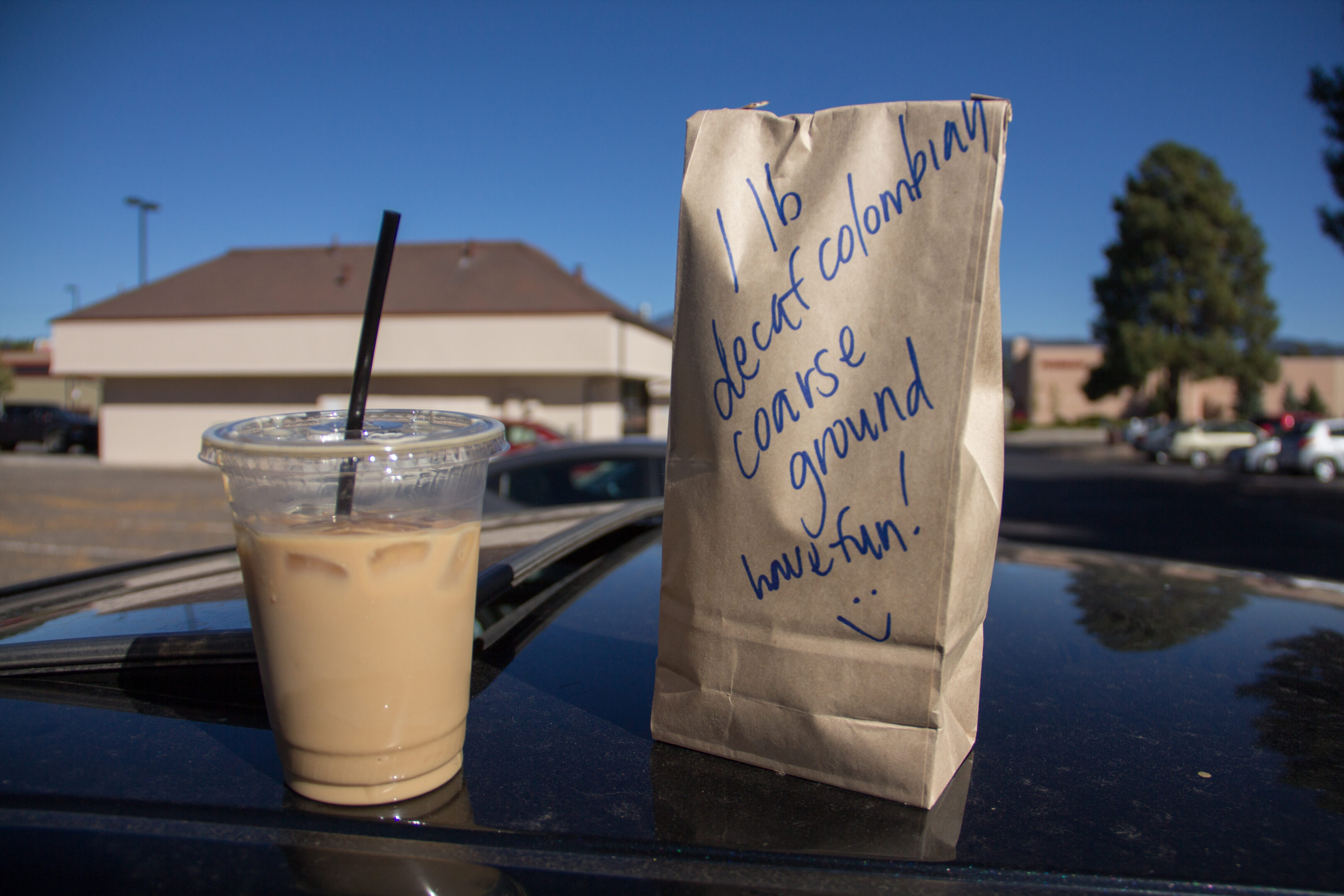
And coffee. If you’re a coffee snob, most big grocery stores stock at least one acceptable bottled cold brew. If you’re a serious coffee snob, we need to talk about mason jars. Take two half-gallon jars. Grind a pound of coffee medium-coarse, split it between them, fill with water. Steep 24 hours for nice, 48 for serious — past 48, keep it cold. Filter through cheesecloth into clean jars. You now have better coffee in your trunk than most of the towns you’re driving through, and you made it in a parking lot. Insulated mugs elevate the whole operation.
The part I hope you never need
I’m going to set the jokes down for a minute.
Just east of Indio, California, on one of my crossings, the car in front of me hit an embankment. It flipped. A tire came off and flew. There was no warning — one second of ordinary highway, then a car in the air. I was driving defensively, with real following distance, and that’s the only reason I wasn’t part of it. The driver, remarkably, was okay. Traffic stopped. I put on my hazards, pulled to the side, and checked on him.
I had no emergency gear with me that day. Flares could have diverted traffic around the scene. A first aid kit would have mattered if he’d been hurt. A fire extinguisher — cars that flip sometimes burn. I carry all of it now, and here’s the part I want you to hold onto: emergency gear is not just for you. It’s for whoever’s accident you happen to be standing next to, because things happen even to good drivers.
What rides with me now: a first aid kit. Road flares or LED flares. A car fire extinguisher. A safety hammer for breaking glass, kept within arm’s reach in a holster — because in the moment you need it, it cannot be somewhere in the back seat, and an unholstered hammer in a crash becomes a projectile. And water: four gallons minimum, more with passengers. If you break down in 120-degree heat, that water is the whole game. I’ve also handed it out the window to stranded drivers who needed it more than I did.
One absolute never: never carry gasoline inside your car. The fumes can cause an explosion. There’s no trip where that’s worth it.
The two mistakes I see first-timers make are the two this section and the next exist to prevent: not enough water, and running out of gas.
Gas
About that.
My first crossing, I watched the range readout count down — thirty miles, twenty, ten — while the world offered nothing but horizon. When a gas station finally appeared, it was on the other side of the highway, and the U-turn I took to reach it was not, in the strictest legal sense, a turn that exists. I rolled up to the pump showing zero. Not “low.” Zero.
You’d think that lesson would hold. This month — crossing number eight, the one where I’m the guy writing the manual — I did it again. Not the U-turn; I’ve grown. But the zero. It is so much easier to do than you think.
So, the rules I mostly follow: always fill the tank completely. In populated areas, start looking for your next station at thirty miles of range. On long, desolate stretches — and there are interstate stretches where stations simply stop existing — start planning eighty to a hundred miles before empty. The gauge is not a dare.
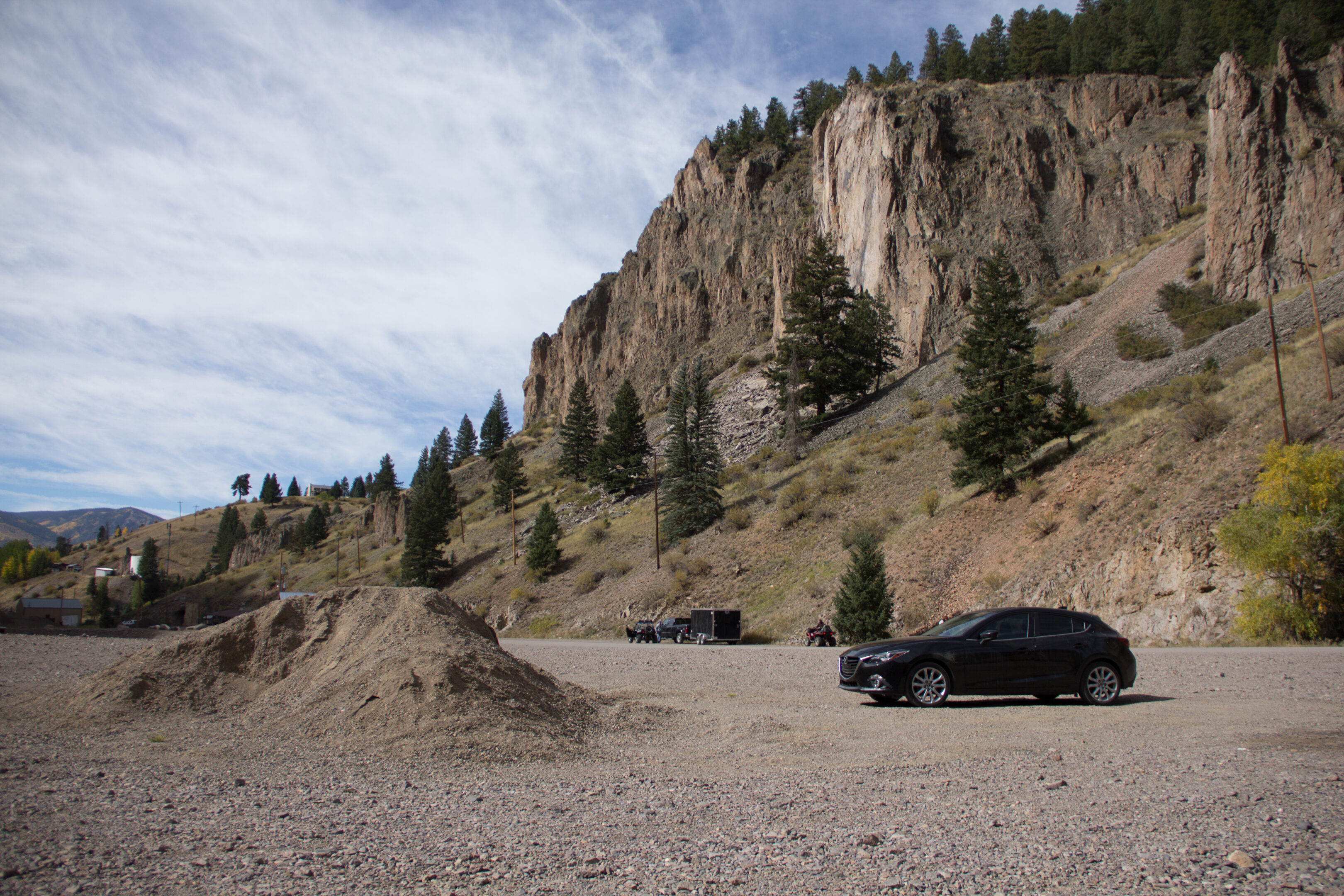
On price: gas costs what it costs where you are. I look for something reasonable, but I pick reputable stations first, and they usually have the best prices anyway. The big travel stops are your friends. Love’s is a great trucker stop with genuinely clean showers — remember that detail; it matters in the camping section. Pilot and QuickTrip are solid. Bigger stations mean cleaner bathrooms, friendlier staff, real parking, and knowing what you’re walking into. But when the options thin out, don’t fret: a crappy, tiny gas station will get you everything you need, as long as it has a bathroom.
Under $120 a night
I try to book hotels in advance. The road has other ideas — see above about not knowing tomorrow’s destination until today. Fortunately, booking along the way is usually easy, as long as you don’t expect to sleep in a major metro.
My target is under $120 a night. The brands that have earned my loyalty: Holiday Inn Express, Fairfield, Courtyard, La Quinta. Best Western is hit and miss. I stopped staying at Days Inn the night I met a cockroach the size of my hand in the bathroom. We did not exchange information.
If you’re staying somewhere more than a night, check whether the hotel has laundry before you book. I did not do this recently, which is how I came to spend two hours of my Los Angeles trip watching my clothes go in circles when I could have been doing literally anything else in Los Angeles.
Three packing rules that keep the nightly stops sane:
One trip in, one trip out. You’re at this hotel for twelve to fifteen hours. One bag, one suitcase, optional backpack. Before going up, grab a few cold drinks and snacks from the trunk so you’re not going back down. If travel makes you feel disorganized, this rule is the cure.
Compartmentalize everything. A dopp kit you can toss onto the bathroom counter and be done. Soap in a ziploc if you bring your own. Clothes in the suitcase, essentials in the laptop bag, snacks in their own bag, cups and silverware in another — and a dedicated trash bag for dirty clothes, so the worn things never mingle with the clean ones. Future-you, packing at 7 a.m., will be grateful.
Prepare your cockpit. You’re spending six-plus hours in one seat, so decide what belongs within reach — for me: the small cooler, the snack bag, the iced coffee, the sunscreen — and figure out before you’re driving how you’ll grab each thing safely.
The road
Rules of conduct, learned the long way.
Let it go. People out there are, let’s say, jerks sometimes. You’ll meet them across all three thousand miles, and engaging makes every one of them worse. The goal isn’t to win. Nobody wins the interstate.
Don’t speed. You won’t arrive meaningfully sooner, you’re driving dangerously, and eventually the math catches you — no app, map, or radar detector changes that. If you want a spirited drive, that’s what backroads are for, and they’re more fun than the interstate anyway.
Use cruise control; your foot has done nothing wrong and deserves the break. Watch your tire pressure. Keep the washer fluid full — it’s trivial right up until the moment a truck baptizes your windshield and it’s the most important fluid you own.
Sunscreen. Every trip, day one, I forget it. Every trip, day one evening, I meet my left arm: medium-rare. You would think eight crossings would fix this. The evidence says no. Learn from me anyway: cover everything that catches light, including your legs, which you will forget about because they feel like they’re indoors. Polarized sunglasses. And aloe at night and in the morning — even without a burn, you’re getting more sun than you think, and your skin deserves the apology.
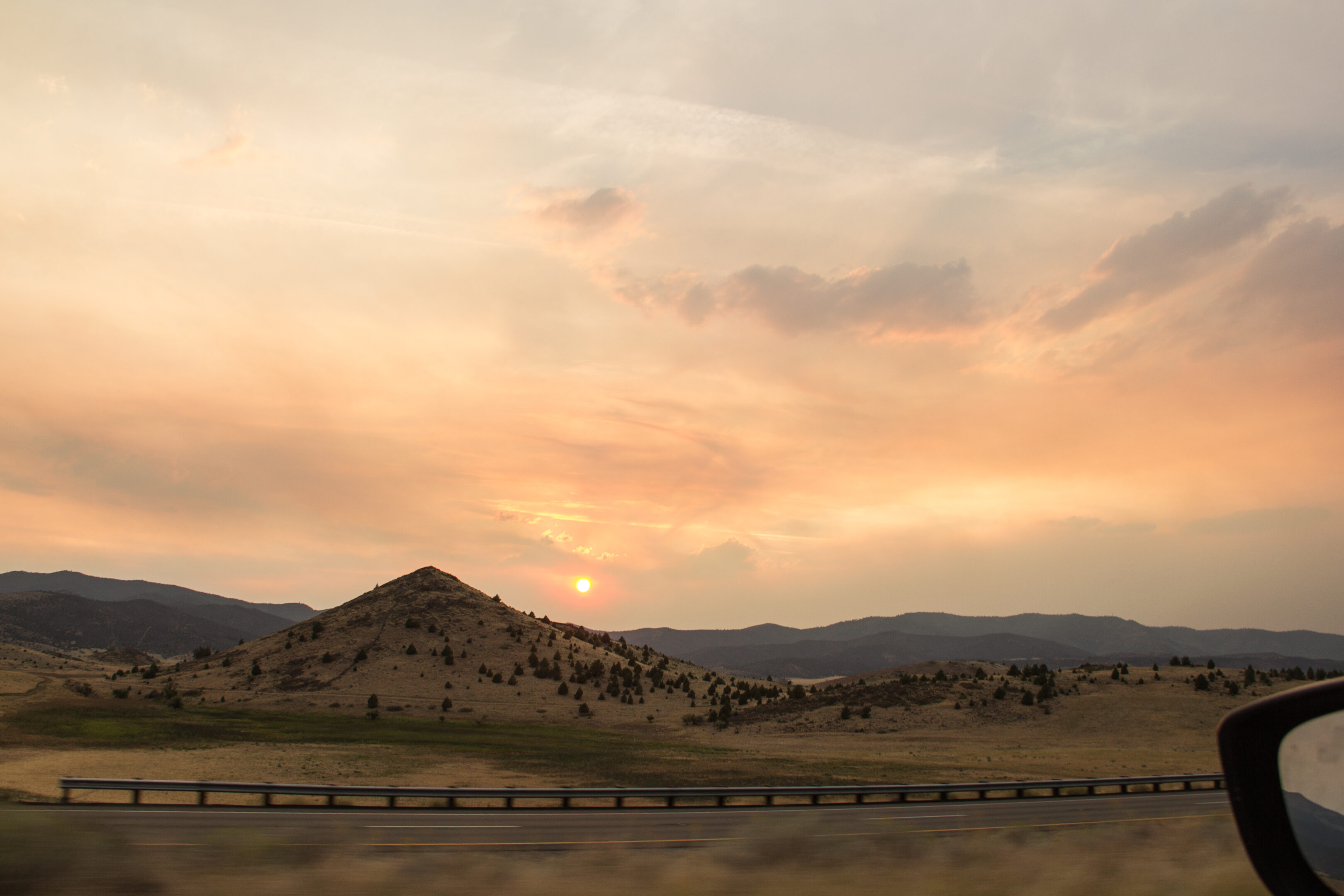
My car is a Mazda CX-30 Turbo, and it has some of what makes long crossings easier. The full wishlist, for anyone choosing a road-trip car: radar-assisted cruise control (dramatically less tiring), lane-keep assist (same), heated seats and steering wheel (a luxury that stops being one the first cold morning), and a moonroof. The moonroof is technically optional. Morale-wise, it is not.
The people along the way
When I plan a route, I think about who I know along it and pin those places as stops. Usually that’s lunch with a friend. If I’m in their town for the night, it becomes dinner, or an arcade, or drinks. Sometimes people reach out when they see I’m passing through; sometimes I’m the one reaching out of the blue. And sometimes a friend hosts the whole night — on this leg, MK Haley is graciously putting me up in Austin.
But the people layer isn’t limited to people you already know. One crossing, I stopped for dinner at a small-town pub — at the bar, per the ritual. The only people in the place were the wait staff and the bartender. By the end of the meal I knew everyone by name. By the end of the night, we had all gone out together to the bar-arcade down the street, and I’d been briefed on the town gossip like a visiting official. It remains one of the best nights I’ve had on any road.
If you read the last dispatch, you’ll recognize the move. Walk up, say something true, want nothing. It works at a conference of fourteen thousand people, and it works at a pub with a staff of four. The country is full of people who will talk to you. Most travelers never find out.
What it costs
Real numbers, because everyone asks and nobody publishes them. My round trip — Maine to LA and back — cost about $2,000: gas, maintenance, and hotels. Food isn’t in that number, because food is the cost that balloons fastest if you let it, which is why the cooler got its own section.
For comparison: flying to LA in summer and renting a car there would have run me over $1,500. So the drive cost roughly $500 more. That $500 bought me the country twice, a week of thinking time, every person in the section above, and a trunk full of brie. Driving is way more fun.
And if $2,000 is out of reach, you can delete the biggest line item entirely.
Without hotels
Camping removes lodging — the single largest cost of the trip. If your budget is limited and your deadline is soft, this is the way. Your daily costs drop to gas and groceries.
The gear: tent, sleeping bag, sleeping mat, camping pillow if you’re fancy, a small camping stove, a pot, something to scrub the pot, a spatula, LED lanterns with spare batteries, a headlamp. Extra water beyond your normal supply — you’ll be washing dishes and yourself. Consider a five-gallon water jug with a spout, the kind REI or L.L. Bean sells: fill it with tap water, stand it in your trunk, and the back of your car becomes a mini sink. I’ve showered out of mine.
Better still: a camping shower. This is a black bag with a spout. You fill it with water and leave it in the sun, and the material warms the water all day. Hang it from a tree branch, and tomorrow morning there’s a warm shower waiting for you in the middle of nowhere. Civilization, it turns out, is negotiable.
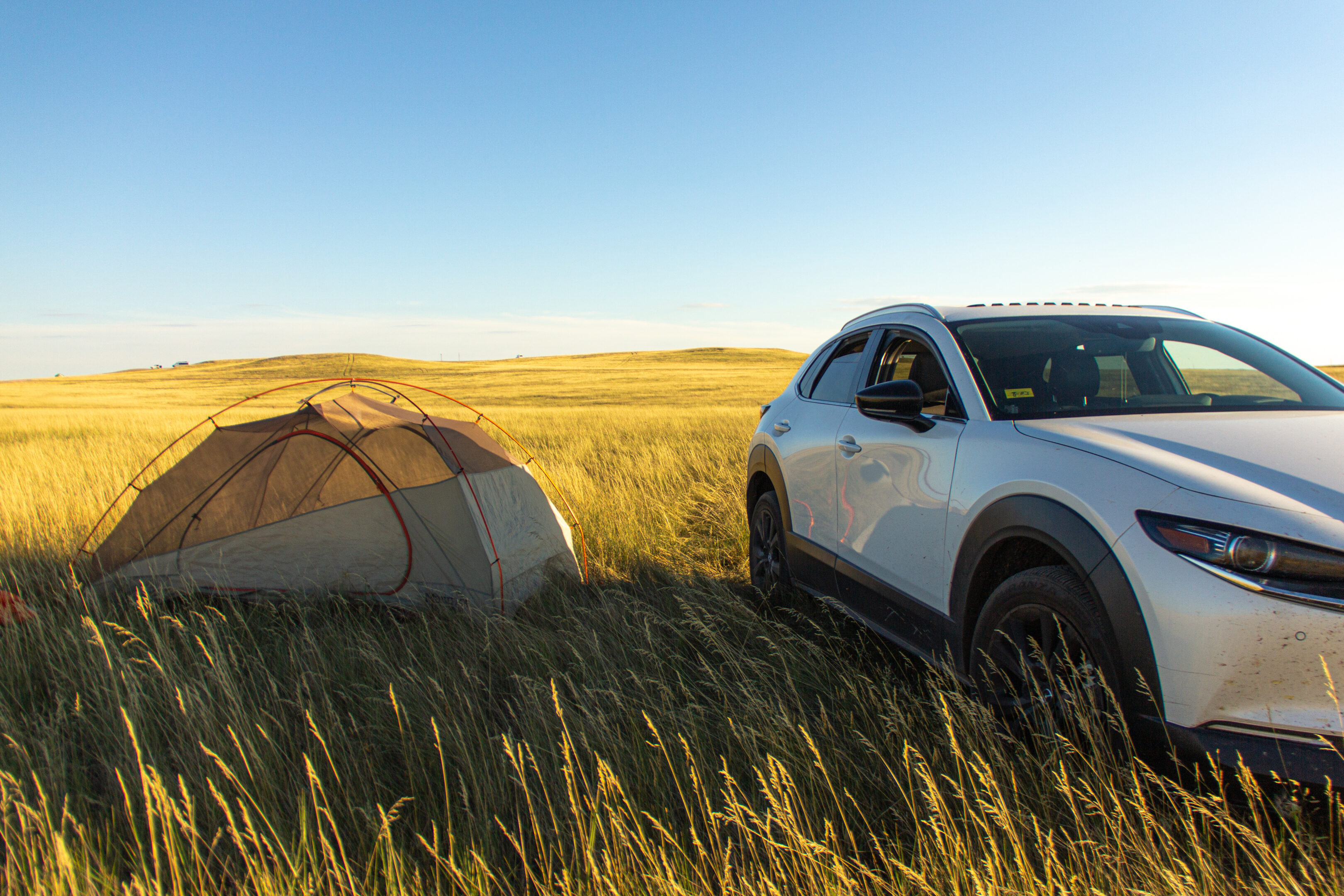
Where to camp free: west of the Mississippi, the land opens up, and a lot of it is public. The reading list is short — Bureau of Land Management, U.S. Forest Service, State Forests, Wildlife Management Areas. These unlock free, primitive campsites. Primitive means primitive: open land, no plots, no toilets, no entrance. Sometimes reaching your spot means driving across grass or through trees — which comes with its own rule: do not push your car through terrain it can’t reasonably handle. Stuck on a backroad with no cell service is not the kind of adventure this essay endorses. And know that not even all BLM land is free to use — some is leased out for forestry or agriculture — so check the maps before you commit.
Primitive camping is some of the most beautiful camping there is. I prefer it to organized campsites. East of the Mississippi the land gets dense and open country gets scarce; look for backroad tent sites there, and skip anything advertising RV camping — RV camping and tent camping are different worlds, and you want the quiet one.
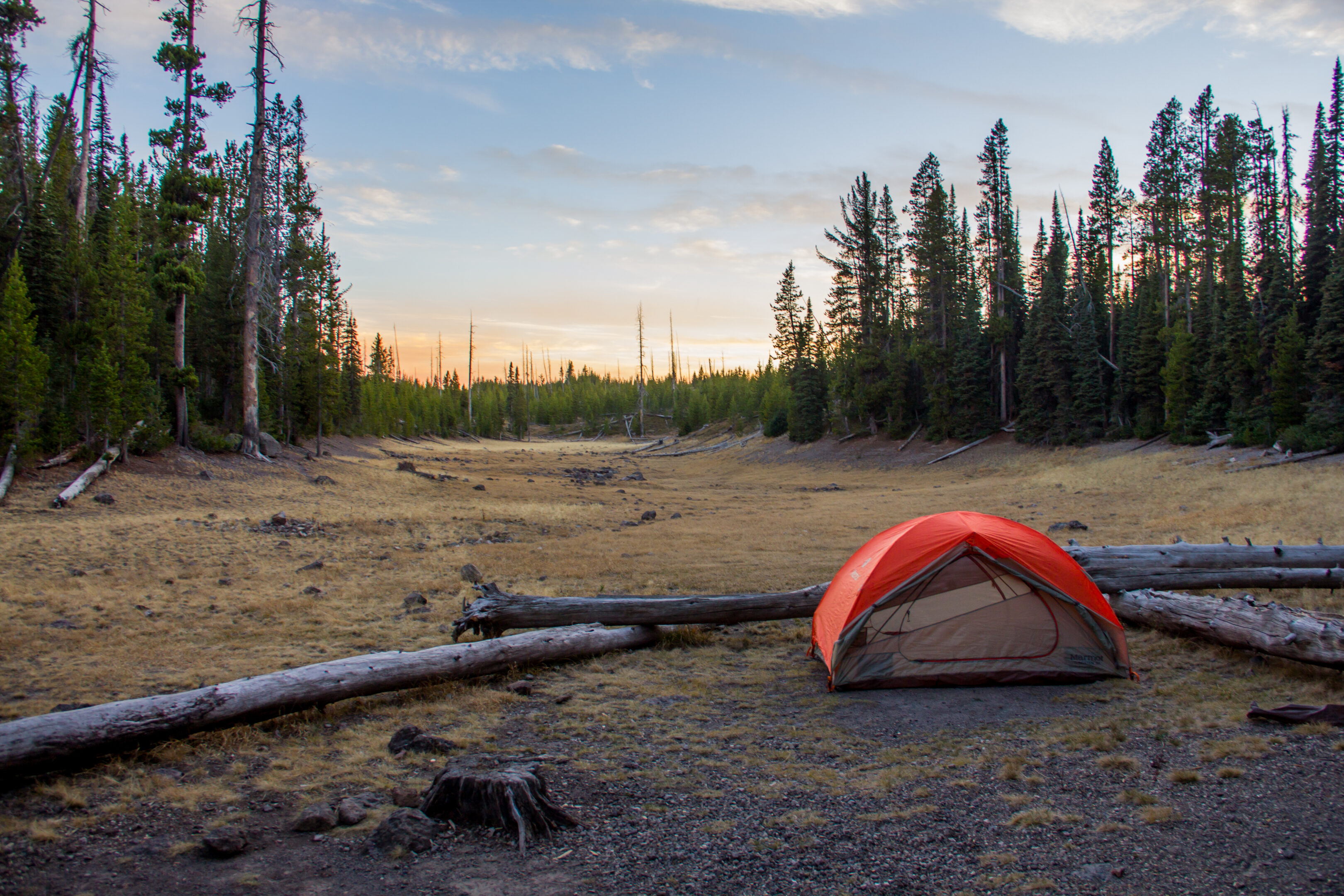
Two honest warnings. First: camping makes you kinda gross, pretty quickly, and you’ll need a real shower sooner than you think. Don’t punish your skin by skipping it — those clean Love’s showers exist for exactly this, and diaper wipes are a great freshen-up in a pinch. Second: don’t camp on private land. You don’t know the owner, and the best-case outcome of being found is an extremely awkward conversation, with police as the runner-up. I can add this to my list of field-tested errors: I did it exactly once, in a pinch, at dusk, when there was nothing else. I set the tent up close to the car, woke at six, packed, and was gone before the coffee. No stove, no shower, no lingering. It’s not worth the sleep you won’t get.
Home
I’m about a week out from Maine now. The big cooler needs more ice — assuming I remember to buy the ice, which history suggests is a coin flip.
Eight crossings in, I still get something wrong every time. This trip it was the gas again, and the sunscreen again, and the laundromat. Next trip it’ll be something new; I look forward to finding out what. That’s the actual manual, underneath all the tips about coolers and flares and brie: you do not have to be good at this to do it. You just have to leave — and be willing to be bad at it in a moving vehicle until, seven crossings later, people at conferences start asking you how.
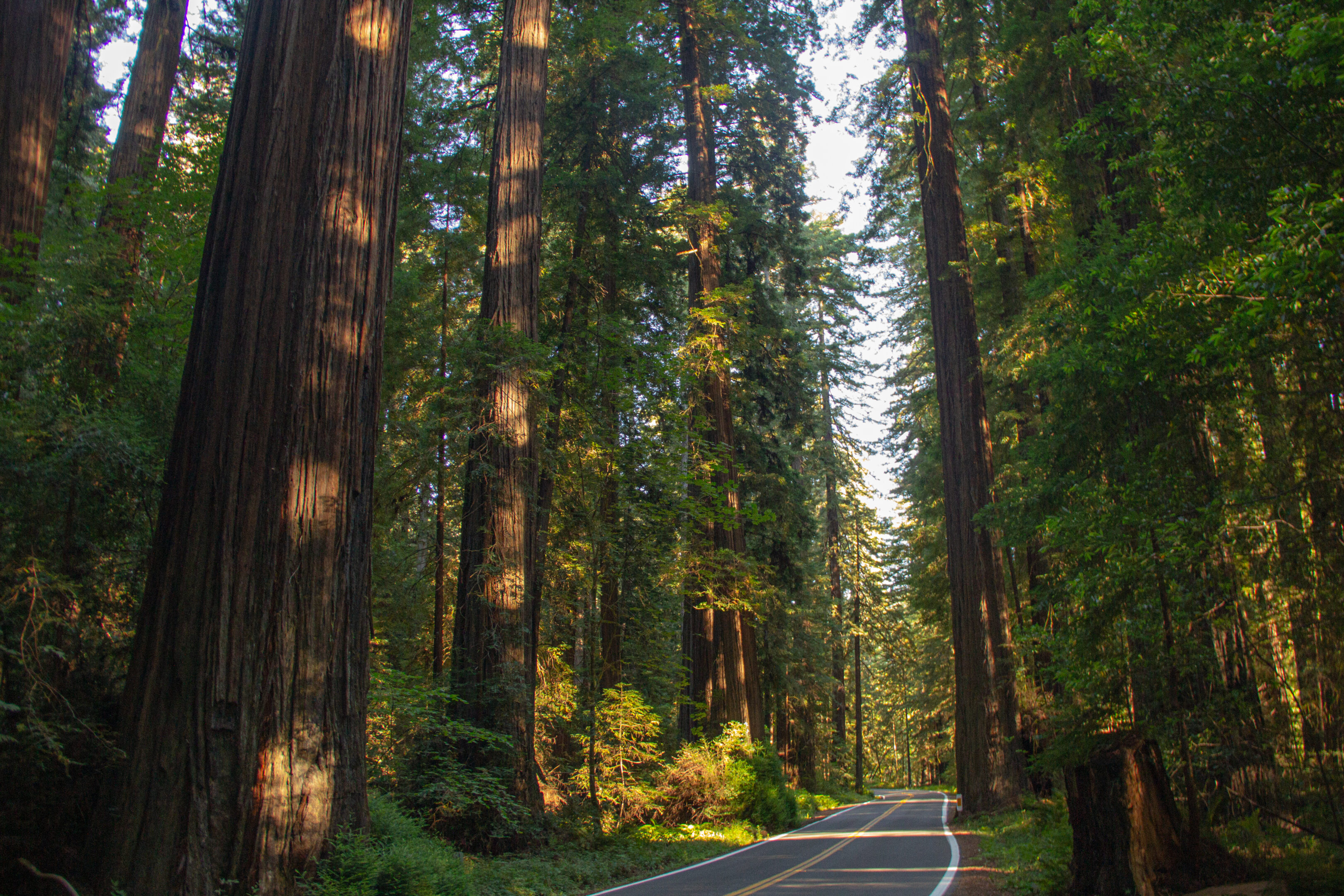
One dispatch left. It comes from Maine, once the photographs are delivered and the miles have had a chance to settle.
Tonight, somewhere ahead of me, there’s a hotel room with a thermostat waiting to be set to icicle. The ritual will run again. Step one: get naked.
Step two — you already know step two.