
Losing Each Other: An Animator's Letter on AI in Animation
What we built then
It was 10:31pm on a Tuesday at the Nickelodeon Animation Studio in 2007, and the After Effects file open in front of me looked less like a creative program than the dashboard of a starship. I was key-framing a camera tracking shot for El Tigre. I had sent the footage to the supervisor on its fifth iteration. He had sent it back for revision six. Something in the tracking was jittering against the animation and I could not yet isolate where. Frame by frame, pixel by pixel, I was rebuilding the motion path.
Air’s Talkie Walkie was playing through the studio’s shared iTunes — the kind of album you played at hours like that. There was no click-to-fix in 2007. There was patience, trial, error, and the frustration of being the one who hadn’t yet figured it out. That was the work. We were inventing it as we maintained it.
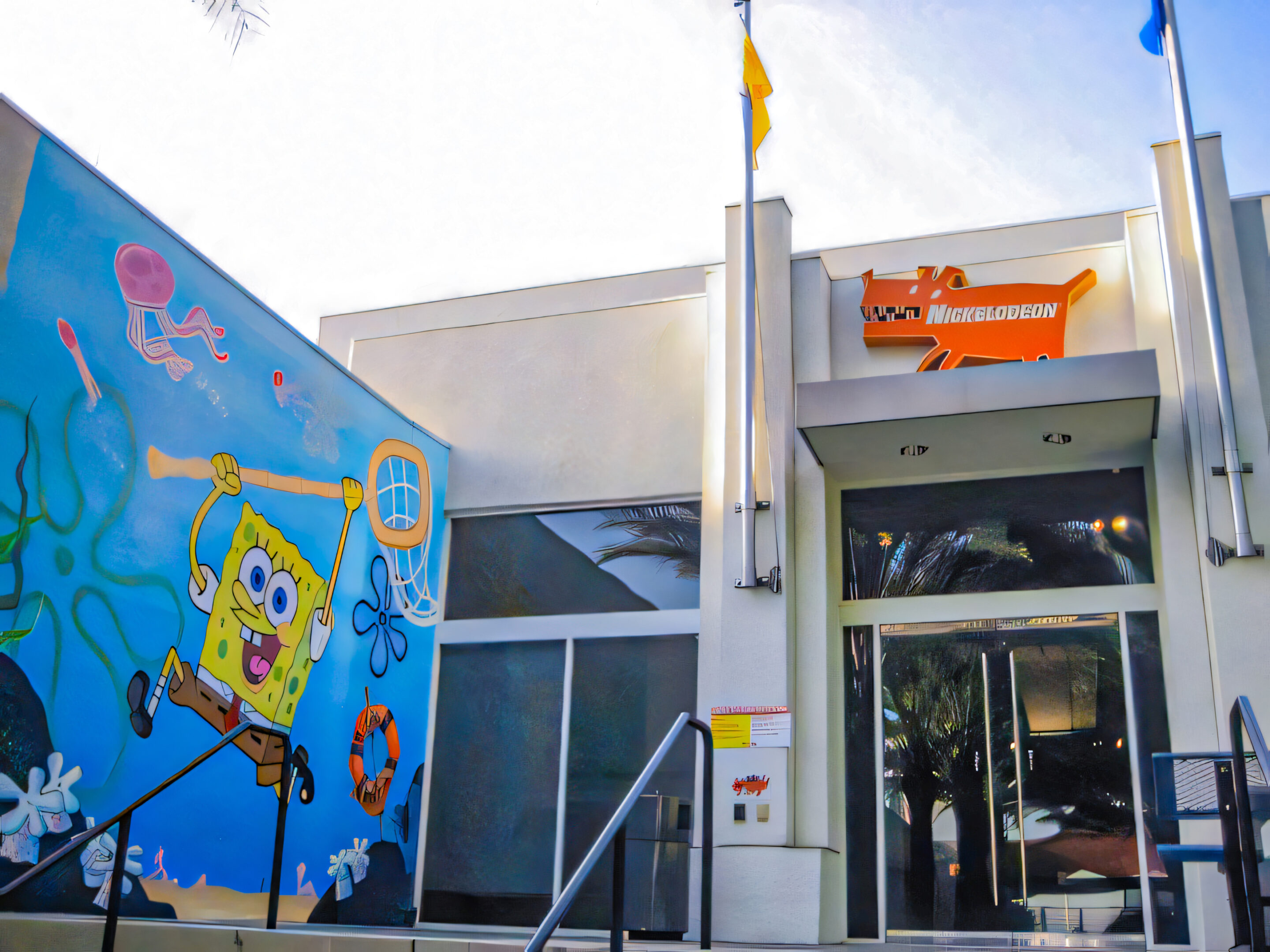
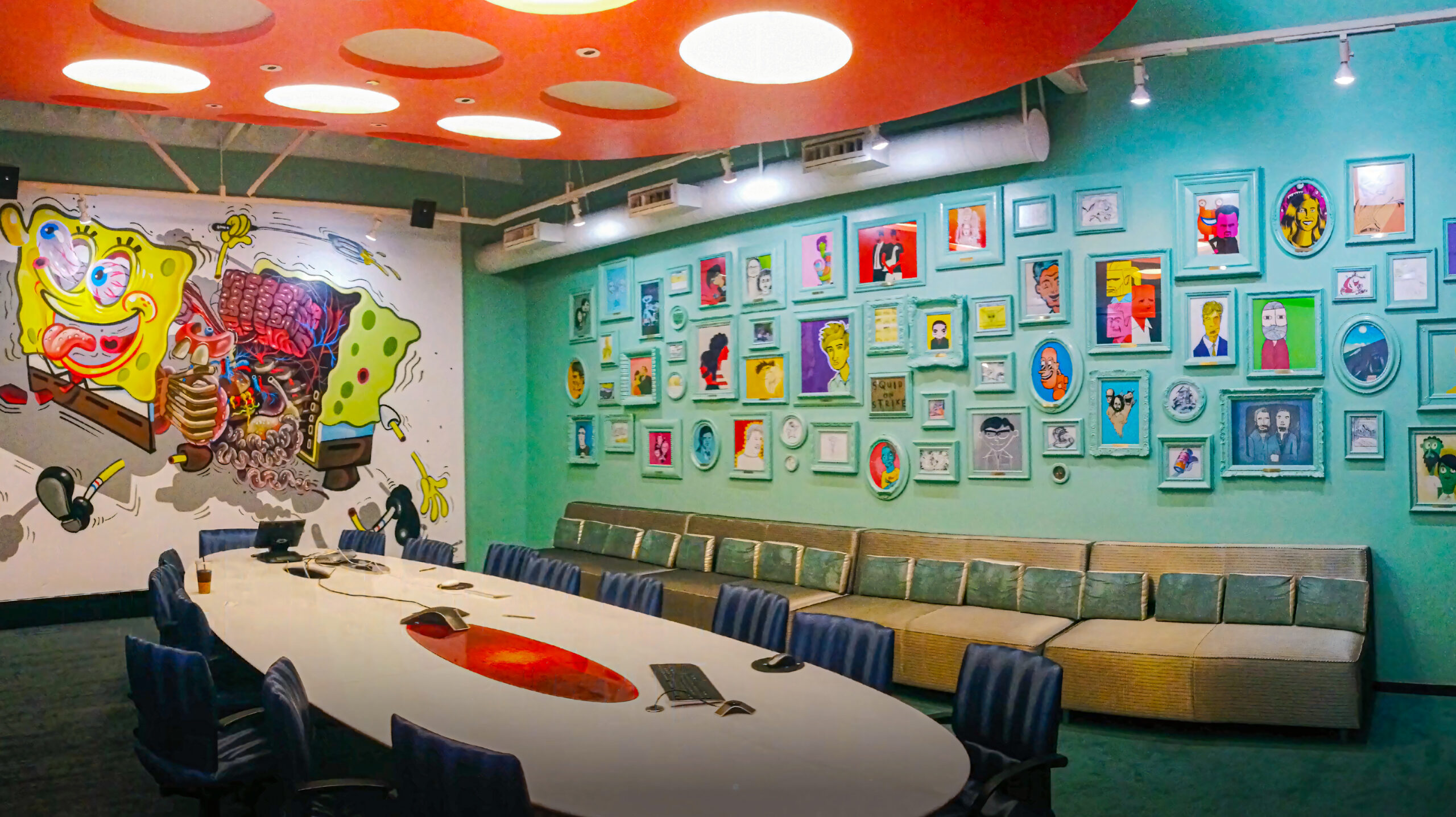
Nick Digital was a small effects department inside the studio’s post-production pipeline — five desks in what used to be a souvenir shop back when the studio did public tours in the nineties. Dim light, steady hum, the sound of typing. From the recording studio next door, a voice doing a zany character would occasionally bleed through the wall. The ceiling fixtures above our desks were enormous cartoon-face cutouts hanging from wires, with lightbulbs where the eyes should be. I sat under one for two years and never quite stopped picturing what it would do to my head in an earthquake. We worked across every show at the studio — Flash, 2D, CG, last-minute correction passes — and I built or maintained whatever pipeline the next show needed.
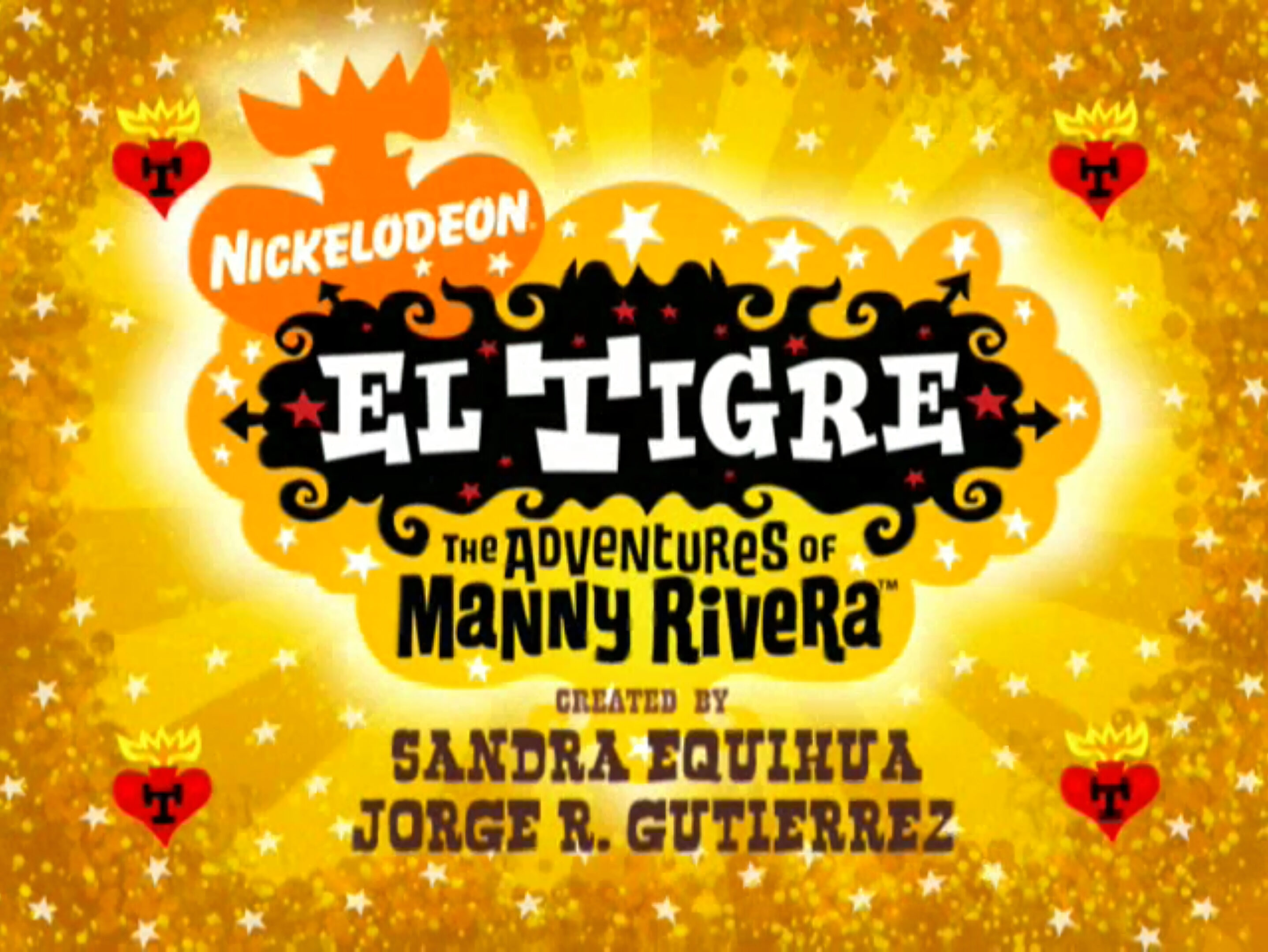
But that night I was on El Tigre, which was Jorge Gutierrez’s first show, and the pipeline he had built it on was unlike anything else I would touch at the studio. Jorge worked in the Flash files himself — builds that behaved less like animation than like small operating systems with timelines — and the rest of us worked downstream of him. Review sessions with Jorge ran past their allotted blocks. The supervisor would make changes in After Effects on the fly. I would take notes I could not afford to miss, because the thing I missed was the thing that did not ship. The whole project felt, even then, like the medium itself was being rebuilt one layer at a time, while we worked inside it.
That was its own evolution. Nick Digital had been built because Nickelodeon’s hand-drawn pipeline was bridging into a digital one, and every studio I would work in for the next two decades sat at a different point on the same line. Technology in this medium has always moved like that, and the people inside it have always had to figure out their relationship to what came next.
I have been thinking about those nights a lot this past week. On Friday Jorge Gutierrez withdrew from a project at Amazon called Punky Duck after a wave of online hostility around his use of AI in animation. The response is one I had been watching unfold for months — around him, around any maker who has touched these new tools, around makers I have never met. I have spent the days since trying to understand why the discourse around AI in animation has gotten to where it is, and why the response from people like me has been so much less useful than it should be. Here is what I have come to think.
The alarm is real
The discourse around AI in animation has been moving faster than I had been keeping up with, and what I have been learning this past week has been mostly that I had been giving the resistance too little credit. Some of it is information I had not had. Some of it is information I had not given enough weight to. The news on Friday made the slow conversation suddenly fast.
The Cupcake & Friends case is the one I had been moving past too quickly. Buzzfeed Studios got a greenlight from Amazon MGM in the same GenAI fund as Jorge’s. The character at the center — Cupcake — was originally created years earlier by the artist Loryn Brantz, who has said publicly that she was “repeatedly assured in good faith” by Buzzfeed that her character would not be handed to an AI platform. It was. She called for a Buzzfeed boycott.
The case is messier than some of the discourse around it sounds. Buzzfeed owns the character now. What her original contracts permitted is a question for lawyers, and the same arguments that frame AI as just another tool — the way digital replaced cel, the way CG followed 2D — cut both ways here. The cleaner version of the story is not the whole story. But the breach of trust Brantz names is real, and the injury of being told something in good faith and watching it be undone anyway is a grievance the artist holds even when the legal status is complicated. It is not bandwagon. It is exact.
The international animation unions held a protest at Annecy last June with the slogan generative AI does not support artists, it destroys them. This was not a Twitter movement. It was a coalition of organized labor — the Animation Guild in the US among them — planting a flag at the field’s most important industry gathering. The phrase they used is not careful diplomacy. It is the position of the people who do this work for a living, said out loud at the place where the field looks at itself.
The Animation Guild’s own commissioned report estimates roughly twenty-one percent of film, television, and animation jobs in the US — about one hundred and eighteen thousand of them — at material displacement risk by next year. Entry-level workers most exposed. Sound editors, 3D modelers, compositors, graphic designers, effects artists, animators. These are not speculative numbers. They are the union’s read of its own field, written by the people whose careers are on the line.
The concerns are not bandwagon. They are organized, sourced, and they come from people whose craft and livelihoods are genuinely at stake. I share that fear. I have spent nineteen years in this industry, and I know what it feels like to watch a medium change underneath you. The first piece of being honest about this moment is naming that the alarm is real, and that the people sounding it have earned the right to be heard.
Why I am writing this
That night at Nick Digital was the beginning of a career I am still in. Several studios, several roles, several shows. Some of those years were on the production-infrastructure side at Nickelodeon, deep enough into the operational mechanics to learn how the global animation pipeline actually moves — not the version on the credits, the version on the ground. What that taught me is the foundation of the next piece in this series.
I also spent years inside the archive of the previous technological wave in this medium. The long story of computer graphics, from its first experiments in the late seventies through its full absorption into the industry — two thousand films, mostly. Grad-student experiments. Advertisements. The blockbuster moments everyone in the industry watched at once. The curation work was for SIGGRAPH, the conference where the computer-graphics field has been gathering and chronicling itself since 1974. I sat next to Jim Blinn at a screening once. He did not introduce himself. The history I came out of that work knowing is the reason the historical argument gets its own essay in this series.
And I am, at the moment, also building independent software with AI tools as part of my workflow. The fuller version of what that means in practice belongs in a later piece. What matters here is that I am inside several frames of this story at once: the worker who came up in the studios, the historian who has looked carefully at the last wave, and the maker who is using the new tools right now. That is the position I am writing from. If that disqualifies my read for some readers, I understand it. I am writing this anyway.
Who the response protects
The response to Jorge’s announcement was not measured. By the time he posted his withdrawal on Friday, his Wikipedia page had been edited to call him a sellout — a word both severe and undeserved. His mentions were full of insults from animators whose work he had hired, paid, championed, brought into rooms they would not otherwise have been in. He posted publicly that he was reporting threats made against his wife and son.
That was the visible part. The invisible part is what I have been watching for months.
The animator who was about to try AI-assisted storyboarding on a personal project and decided not to. The small studio that had been quietly experimenting with an AI-assisted pre-visualization pipeline and shelved it. The Discord servers where conversations about tooling used to happen — those have gone quieter on this topic, because the cost of saying you were curious about a tool is too high. The voice actor friend who had been thinking about a project using their own voice clones, on their own terms, and pulled the post they had drafted about it. None of these are people I am going to name. None of them are public. All of them are real. The chilling effect has a count, and the count is large enough to matter.
What we have managed to do — the part of the animation community that has organized around the resistance — is not stop the corporations from building these tools. The corporations are still building. Amazon is still building. OpenAI is still building. Adobe is still building. What we have managed to do, instead, is drive out of the conversation the makers who would have asked the corporations the hardest questions. The animators who would have refused certain dataset choices. The directors who would have insisted on consent processes. The studios that would have built protective contracts. The voice artists who would have negotiated their own licensing terms.
The response is not protecting artists. It is protecting the corporations from artist critique. There is a difference, and we are paying for not naming it. Every maker we drive out of the conversation is a critic the corporations no longer have to answer.
What they built without us
The version of these tools that gets built when the people who care about craft are not in the room is not hypothetical. It is what we already have.
Sora launched in late 2024 to fanfare from OpenAI’s marketing department and contempt from anyone who actually had to watch its output for more than thirty seconds. By late 2025 it was the canonical reference for AI slop — a product whose own users could not point to anything it did well, killed less by competition than by a market refusing to look at what it produced. Sora was not what artists would have built if they had been at the table. It was what engineers built when artists had decided the table was not their place.
Coca-Cola released an AI-generated Christmas advertisement the same season. Alex Hirsch, the creator of Disney’s Gravity Falls, posted that Coca-Cola is red because it is made from the blood of out-of-work artists. The line traveled because it was the only thing anyone had to say about the ad. The work was forgettable. The brand spent a global ad budget on something that demonstrated, mostly, that you can spend a global ad budget on something forgettable. Coca-Cola did not make this ad over the objections of the artists they consulted. They made it without consulting any.
The training-data lawsuits against the major AI image and video model companies are working their way through courts now because the models were built on work the model-builders did not pay for and could not have afforded if they had tried. The artists named on those suits did not choose to be the foundation of this generation of tools. They are the foundation anyway, because the people building the tools did not have a single artist whose opinion they needed to respect.
This is the version of these tools we got when we were not in the rooms where they got built. Sora, the Coca-Cola spot, the scraped training data. We can see it. We are looking at it. The choice in front of every maker reading this is whether we let this be the texture of the next round of tools, or whether we decide that the cost of being inside the conversation — including the cost of being attacked for it — is lower than the cost of the conversation happening without us.
Who builds what comes next
The choice is not whether to be for or against AI. The corporations are not asking us to vote on whether they should build these tools; they are building them. The choice is whether the people who care most about craft are in the room while they get built, or whether the rooms get filled by the people who build the Sora-shaped products and the Coca-Cola-shaped commercials. That choice is being made every day, in dozens of decisions across this field. By the makers who quietly decide not to try the experiment they were thinking about. By the voices that might have asked the hard questions inside the building and walked away. By the conversations that did not happen because they would have cost too much.
The next piece in this series goes back to the history of the previous wave in this medium — what it actually did to the labor in our field, including the part of the labor we do not talk about. The one after that goes inside the practice of building with these tools as a maker who cares about craft, and the cost of being visible about it. Neither piece will tell you what to think.
What I am asking, for now, is this. When you see a maker like Jorge experiment with a tool you do not yet trust, do not make them an enemy. Make them the question. Ask what they are doing, what they think the tool is for, what they will not let it do, what they are protecting, what they are giving up. Their answer will tell you more than the next round of takes. It may also keep them in the room. That is the room where the tools we are all about to live with get decided.
We should not be losing each other this fast.